
How Long Do Ragdoll Cats Live?
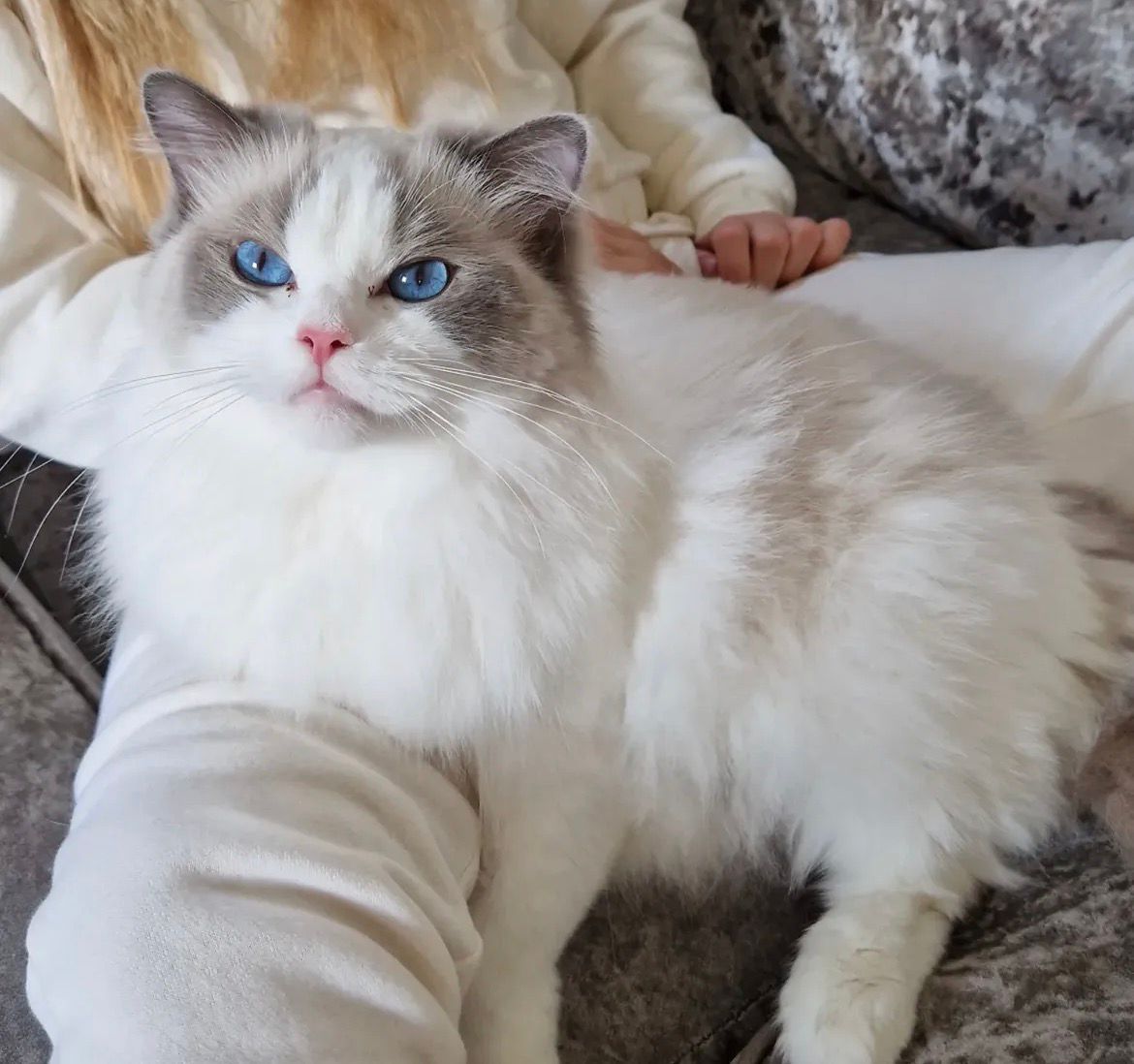
A Ragdoll lives twelve to seventeen years. Indoors, fed properly, some reach twenty. Two inherited conditions can cut that short, and both have a test.
People ask this one quietly, usually after they have already fallen for a kitten. The short answer is a long time. The longer answer is that where a particular cat lands in that range is mostly known in advance, and most of it is in your hands.
Here is the whole picture.
The two conditions worth knowing by name
HCM, hypertrophic cardiomyopathy. A thickening of the heart muscle. It can show at any age, often between two and six, and in a bad case the first sign is the last one. There is a DNA test for the one Ragdoll mutation that has been identified, and a heart ultrasound that finds the disease itself. The DNA test misses cases. The scan catches them, but only once they have started.
PKD, polycystic kidney disease. Cysts that grow in the kidneys through the cat's life. It came into the breed from Persian outcrosses decades ago. The DNA test for this one is definitive: a cat that tests clear cannot pass it on.
Ask any breeder what has been done for each parent, including us. Expect a plain answer. We would rather be asked than have you wonder.
What shortens a Ragdoll's life
The road. Ragdolls are trusting, slow to startle and hopeless judges of traffic. An outdoor Ragdoll lives years less than an indoor one, and nearly all of the difference is cars.
Weight. A big, calm, indoor cat fed by appetite gets fat, and a fat Ragdoll carries the extra load on the one organ the breed can least afford to burden. Feed by weight from a year old. How much a Ragdoll should weigh, by age.
Teeth. Dental disease in middle age is the commonest reason a Ragdoll sees a vet, and infected gums are a road to the heart and kidneys. Raw chicken necks from kittenhood and a dental check every year.
Kidneys. Even without PKD, kidney decline is how most old cats go. Wet food and fresh water every day of the cat's life is the simplest protection there is.
What lengthens it
Indoor life with a window and, if you can manage it, an enclosure. A meat-based diet with plenty of wet food, fed by weight. A heart scan at one year and again at three. Teeth checked yearly. Spaying or neutering, which removes a set of cancers and most of the wandering. Company, because a lonely Ragdoll stops eating well and stops playing, and a cat that does neither ages fast. Why company matters so much to this breed.
The part that catches people out
The scan. Families budget for vaccinations and spaying and forget that a Ragdoll should see a cardiologist at a year old. It is a few hundred dollars and half an hour, and it is the single most useful thing you can do for a Ragdoll's lifespan. We tell every family and about half of them do it. Be the half.
The ages of a Ragdoll
A kitten to a year. An adolescent to three or four, when the size and the coat finally finish. An adult to about ten. A senior after that, and the senior years are long and gentle in this breed. An old Ragdoll asleep in a patch of sun for most of the day is one of the pleasures of keeping one.
How we handle it
We raise kittens in the house so they arrive calm. We feed for slow growth. We tell every family to book the heart scan at a year and we mean it. We would rather a kitten of ours cost a little more in vet visits and lived to eighteen. the kittens available now were raised that way.
Keep reading
Are Ragdoll Cats Hypoallergenic?
No. Nothing is. But plenty of people with a mild allergy live happily with one, and there is a way to find out before you buy.
How Big Do Ragdoll Cats Get?
Males thirteen to twenty pounds, females four to six, and it takes three to four years. A weight table by age from our own cats.
The Ragdoll Personality
The flop, the following, the quiet voice, the patience with children, and the four things nobody puts on a listing.